
Designing a Preservative System for a Cosmetic Formula
What is a Preservative System
Preservatives are ingredients added to inhibit the growth of bacteria, yeast, and mold within a formula protecting both the product's integrity and the consumer's safety over the full shelf life and in-use period. They ensure cosmetics stay under safe microbial levels which reduces the chance of the product spoiling or causing consumer harm.
Two protection windows:
Shelf stability: protecting the sealed, unopened product from any microbial contamination introduced during manufacturing.
In-use protection: protecting the product across months of repeated consumer contact (fingers, applicators, water splash back).
Types of Microbial Contamination
Before diving into designing a preservative system, it's worth understanding what they're actually up against. The microbes we're concerned about in cosmetics generally fall into three groups: gram-positive bacteria, gram-negative bacteria, and fungi (yeasts and molds).
Bacteria are typically unicellular organisms that have a rod-like or spherical shape and grow via binary fission. They are small in size, approximately 0.2-1 microns in diameter. There are two main types of bacteria:
Gram-Positive Bacteria
Gram-positive bacteria have a thick peptidoglycan cell wall, which retains crystal violet stain in a Gram stain (hence the name) and also makes them somewhat more vulnerable to certain preservative mechanisms that disrupt cell wall synthesis.
Examples include Staphylococcus aureus which is a common skin-associated organism.
Gram-Negative Bacteria
Gram-negative bacteria have a thinner peptidoglycan layer but an additional outer membrane containing lipopolysaccharide (LPS). It acts as an extra permeability barrier that can block or slow the entry of certain preservatives, which is part of why gram-negative organisms are generally considered the tougher target in preservative system design.
Examples include Escherichia coli, Pseudomonas aeruginosa and Burkholderia cepacia.
Fungi: Yeasts and Molds
Fungi are a structurally distinct kingdom from bacteria altogether. They have a chitin-containing cell wall and are eukaryotic (bacteria are prokaryotic), which means some antimicrobial mechanisms that work on bacteria don't translate directly to fungi, and vice versa. This is a major reason preservative systems usually combine multiple actives rather than relying on one ingredient to cover both bacteria and fungi effectively.
Yeasts are also unicellular organisms but are much larger in size compared to bacteria, around 5 microns in diameter. They grow by forming spores. A common yeast in cosmetics is Candida albicans. It is the standard yeast challenge organism in preservative testing, and clinically relevant as a common opportunistic pathogen.
Molds are multicellular and tend to grow on the surface forming colonies often taking on a green, yellow, white or black fuzzy appearance. Aspergillus brasiliensis (formerly A. niger) is a common mold found in cosmetics.
Why we Need a Preservative System
Most cosmetic formulas will require the use of preservatives. Below are a few key qualities that dictate the need for preservatives within the formula.
Raw Materials
The raw materials we use in cosmetic manufacturing can be the biggest source of microbial contamination. Water, water-based ingredients, colors, pigments, botanical ingredients, clays, and other complex raw materials can introduce or support microbial contamination. Techniques such as irradiation, spray-drying and heat treatment may be used on raw materials to reduce microbial contamination before they are added to the formula.
High Water Content
More available water creates a more hospitable environment for growth. Typically, a water content over 5% can support microbial growth.
Favorable pH Range
Formulas sitting in a pH range that doesn’t inhibit growth need protection. The optimum pH for growth is between 5 to 8.
The “when NOT” case: anhydrous formulas or formulas with a very low water level (<5%) generally don't need a preservative system.
Common Preservation Strategies
Below are the basic principles of preservation that we can use to control microbial growth [6]:
Aseptic manufacturing
This involves producing the product in a way that keeps the microbes out of the process. This is commonly used in pharmaceutical manufacturing for certain routes of administration where the use of preservatives is not recommended. This is not a common strategy in cosmetic manufacturing.
Removal of microorganisms (filtration)
Some product types can be filtered in a way that can remove the microbes from the product. Again, this is more common in the pharmaceutical industry for certain product types.
Growth inhibition or killing of microorganisms
This is a broad strategy that uses various physical or chemical means that can stop and kill microbes that are introduced to a product. Instead of relying on one strategy, we often combine several smaller “hurdles” that when stacked together, create a barrier microbes can't overcome. Below are some of the common strategies that may be utilized in the cosmetic industry:
Preservatives
Preservatives are ingredients added to a formula to either inhibit or kill microbes. There are two general broad categories for preservatives: microstatic and microcidal.
Microstatic preservatives work by inhibiting the growth of microbes but don’t necessarily kill the organisms. While this is beneficial, it can cause issues with preservative efficacy testing that does require a reduction in microbe count in order to pass. Microcidal preservatives kill the microbes, so they reduce the concentration within the formulation. Ideally the choice of a preservative(s) in the formula has both a “cidal” and “static” action.
Most preservatives work in one or more of the following ways to control microbial growth:
Disrupt cell membranes
The preservative will partition into the cell membrane reducing the membrane’s integrity leading to leakage of cellular components and eventually cell death.
Interfere with Metabolism
Organic acids cross the membrane in the un-ionized form, then lower internal pH once inside disrupting enzyme function that is required for the microbes to grow.
Damage Nucleic Acid and Proteins
Formaldehyde-releasers and isothiazolinones react directly with cellular macromolecules disrupting the function of the cells.
Preservative Boosters
When you are reviewing preservative options, you likely will come across ingredients that are described as “boosters.” While boosters are beneficial, they shouldn’t be used as a stand alone preservative within a formulation.
A booster enhances preservative efficacy of the primary preservative system by lowering the Minimum Inhibitory Concentration (MIC) of the primary preservative, broadening the spectrum of antimicrobial activity or enhancing the overall performance of the system. Below are a few main ways that preservative boosters work:
Increase Membrane Permeability
Ethylhexylglycerin's surfactant-like structure changes membrane interfacial tension, helping a paired preservative (like phenoxyethanol) penetrate microbial cells more effectively.
Weaken Microbial Defense Mechanisms
Chelating agents can bind to certain metal ions that are essential for microbial survival helping to amplify the efficacy of the preservative system. Read all about chelating agents here.
Competitive Inhibition of Enzymes
Some boosters can interfere with the enzymatic processes that microbes use to defend themselves against preservatives.
Pasteurization
Heating the formula to a certain temperature and cooling rapidly can reduce the total microbial burden of a formula from manufacturing. However, this method will not provide protection from contamination that can occur due to consumer use. Relying solely on pasteurization would be risky in formulas that the consumer has direct contact with.
High or low pH
Bacteria prefer more neutral pH (6-8) while yeasts and molds tend to have more of a preference for acidic conditions (5-6). Keeping the pH high ~>9 or ~<4 can control the growth of microbes within a formulation.
Good Manufacturing Practices (GMP)
The strict adherence to GMP can reduce the overall bioburden of a formula due to the manufacturing process.
Reduction of water activity
Water activity is a measure of the free amount of water available in a product. Most formulas contain >50% water, however, some of that water is bound to various chemicals. The remaining unbound water provides media for microbial growth. The addition of solutes such as humectants and salts to a formula can reduce the overall available water. However, the water activity needs to be <0.6 to be able to control microbes.
Designing a Preservative System
The preservative system should be tailored to each formulation. There is no such thing as a “one size fits all” system. Below we will highlight some of the key considerations to think through as you are selecting preservatives.
Broad Spectrum Activity
The first major requirement of any preservative system is that it must offer broad spectrum coverage. Effective preservative systems need coverage across gram-positive bacteria, gram-negative bacteria, yeast, and mold. Gaps in any one category can put the formula at risk for microbial contamination. It is important to understand that not every preservative will offer broad spectrum activity and most will need to be used in combination with each other. One of the first things you should note when reviewing a potential preservative is its activity. This will help you decide if you need an additional preservative to fill in gaps.
Formula pH
The formula’s pH will be a major factor in your choice of preservative. Firstly, pH will dictate if you need a preservative system or not, which we discussed above. Second, the pH will dictate the type of coverage you may need more of. For example, if you had a formula that required a pH of around 4-4.5 you likely would need a stronger fungicidal preservative or a fungicidal booster. Lastly, pH will dictate the selection of preservatives you have available to choose from. Many preservatives have a specific pH window that they are effective within. This is especially true for the organic acids whose efficacy is highly dependent on pH. The preservative should be used well within its window of efficacy. Using a preservative on the edge of its pH range could lead to reduced activity.
Product Format
The type of product you are formulating is another major consideration when selecting a preservative system. Different formats can have different water activities, nutrient loads, and functionalities that can sway your decision-making process.
Let’s look at a few examples:
Formats with a high-water content (ex. solutions) will need stronger coverage than a powdered formula or W/O emulsion with minimal water.
Wash-off formulations can access a broader selection of preservatives that are only allowed in wash-off applications.
Emulsions and suspensions are often nutrient dense formulations that can more easily support growth
Formulas that contain certain surfactants may have incompatibility issues with certain preservatives (will touch more on this below)
In addition to the format, the application site and target demographic is also important. Products touching mucous membranes or those formulated for sensitive populations, such as babies, should take caution to reduce potential irritation and sensitization.
Packaging Type
Certain packaging types can increase a product’s risk for contamination and thus will influence the strength of the preservative system needed. For example, a jar product that is used in the shower will be much a higher risk compared to a product in an airless pump.
Regulatory Status
Preservatives are often highly regulated and approved use levels and restrictions vary by region and are updated periodically. Always check the regulation for the countries that the product will be sold within.
Common Preservatives in Cosmetics
Isothiazolinones
Methylisothiazolinone (MIT) and Methylchloroisothiazolinone (CMIT)
Isothiazolinones have a heteroaromatic, five-membered ring structure. While they can be used on their own, these preservatives are often sold together as a liquid preparation in a 3:1 ratio of CMIT/MIT. They offer broad spectrum activity at low use levels.
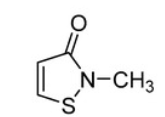
(MIT)
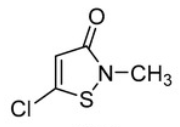
(CMIT)
They have the ability to diffuse across the cell membrane of bacteria and fungi. Once inside the cell the sulfur found within the chemical structure can react with certain components in the cell. For example, it can react with the thiols of cysteine containing proteins to form disulfide bridges. This can change the way the enzyme is able to function leading to a series of events that ultimately leads to growth inhibition or cell death [1].
These preservatives have the potential to cause skin irritation and allergic reaction in some individuals. Because of this the EU has restricted this preservative to rinse off applications only up to 0.0015%. While no such restriction exists in the US, the preservatives are still typically only found in rinse off applications like body washes and shampoos.
Water soluble, should be added under 40C
Effective over a wide range of pH values
Restricted to rinse-off applications in the EU
Restricted to a max concentration of 0.0015% (of a mixture in the ratio 3:1 of CMIT/MIT) in the EU
Stability of isothiazolinones in aqueous systems can be affected by the presence of metals, amines, thiols and sulfides
Phenoxyethanol
Phenoxyethanol is a synthetic, phenolic compound that is amphiphilic in nature. Its activity is best against bacteria, notably gram-negative bacteria, and may provide additional coverage against yeast and mold. However, it isn’t often used by itself and should be combined with other preservatives such as caprylyl glycol or ethyhexylglycerin for stronger broad spectrum coverage.
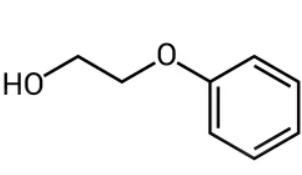
It's main mechanism of action is disruption of cell membrane integrity. It can partition into the lipid bilayer of the membrane which disrupts the packing and structure, leading to leakage of components such as potassium ions which are necessary to maintain the chemical gradients needed for cellular functions [2].
Typically used in the range of 0.75-1.50%. Restricted to 1.0% max in the EU
Very stable, works best around pH 6 but has a wide effective range of 4-10
Should be added below 60C
Can be added pre or post emulsification
Due to its amphiphilic nature, it can partition into both the oil and water phase within a formulation. However, to function as a preservative, it must be in the water phase. Adjusting the polarity of your oil phase (less polar) can help “push” the phenoxyethanol to the water phase.
In formulations with high levels of non-ionic surfactants, phenoxyethanol can incorporate into the micelles, lowering its ability to preserve. In these formulations, phenoxyethanol may need to be used at a higher concentration.
Benzyl Alcohol
Benzyl alcohol is similar to phenoxyethanol in structure and mechanism of action. It is an aromatic alcohol that can be produced synthetically and naturally. Benzyl alcohol acts more as a bacteriostatic agent, meaning that it inhibits the growth of the microbes but doesn’t necessarily kill them. This is especially true at concentrations under 0.9%. It is active against gram-positive bacteria, mold and fungi. However, some studies have indicated that it has better gram-negative activity [5].
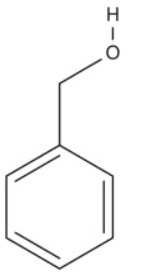
Most effective in pH under 5 but can be used up to pH 8.
Typically used between 0.9-2.0%. The EU allows a maximum concentration of 1.0%.
Its efficacy can be reduced in the presence of non-ionic surfactants
It can also interact with certain packaging materials such as polyethylene. This can reduce the concentration of the preservative in the formulation.
Parabens
Methylparaben, ethylparaben, propylparaben and butylparaben
Parabens are esters of parahydroxybenzoic acid. Their antimicrobial properties have been shown to increase with increasing alkyl chain length (butyl > propyl > ethyl > methyl) but please note that water solubility decreases. They have good efficacy against fungi and some gram-positive bacteria. They are often used in combination with each other and should be combined with other preservatives for gram-negative protection.
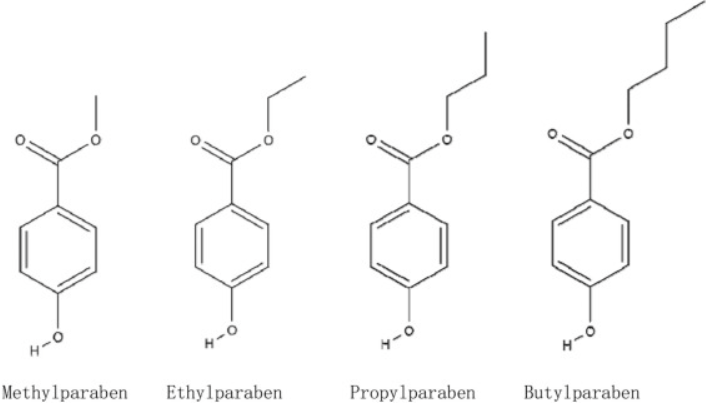
image source: [7]
The main mechanism of action of parabens is membrane fluidity. For example, ethylparaben can insert into the membrane disrupting the lipid packing [4]. This leads to an increase in permeability and leakage of cellular contents. Parabens may also interfere with metabolic processes such as enzymatic inhibition crucial for the synthesis of DNA, RNA and proteins. Because of consumer perception, parabens have been used to a lesser extent in formulation.
Allowed for both rinse-off and leave-on products. Please note that propylparaben and butylparaben are banned from leave-on products intended for the diaper area of children under three in the EU.
Broad effective pH range of ~3-8, heat stable and good compatibility with other ingredients
Usage restrictions in the EU, check regulation for max concentration allowed for the individual paraben
All parabens have limited solubility in water. They are soluble in propylene glycol, alcohol, phenoxyethanol, etc. The shorter chained parabens (ex. methylparaben) can typically be dissolved directly in the water phase. Heating above 60°C will help speed up the dissolution process. The longer chain parabens should be added to the oil phase. If parabens must go into water phase and heat can’t be used, the sodium salts should be used instead.
Organic Acids
Benzoic acid (sodium benzoate), sorbic acid (potassium sorbate), dehydroacetic acid, caprylhydroxamic acid
Organic acids are considered more “consumer friendly” preservative options compared to some traditional preservatives such as parabens. They are often nature identical preservatives and widely used in natural formulations. They are more effective against fungi and are weaker against bacteria. Potassium sorbate and sodium benzoate are often combined together for more broad-spectrum activity, however, an additional preservative with stronger bacteria coverage may be needed.
The efficacy of organic acid preservatives depends on the acid’s pKa, which is the point at which 50% of the acid is in the undissociated and 50% in dissociated form. These preservatives can only pass through the cell walls of the microbes in the undissociated form. Once in the cytoplasm they can dissociate, increasing the internal H+ concentration, lowering the intercellular pH which disrupts enzyme function. Because the cell needs to maintain a neutral pH, it starts to export the excess H⁺, consuming ATP and competing directly with growth for energy. The lower the pKa, the more effective the acid tends to be at lowering the intercellular pH. If the concentration of the anion within the intercellular space is high it can also impart an antimicrobial effect due to osmotic stress [7].
Effective at a pH below ~5.5 and heat stable (up to ~80C)
Suitable for both leave on and rinse off products
Potassium sorbate and sodium benzoate are water soluble. However, as the pH of solution is lowered the more sorbic acid and benzoic acid will be produced, which have more limited water solubility. If the pH becomes too low you may see precipitation.
In the EU, sodium benzoate can be used up to 2.5% (acid) in rinse-off and 0.5% (acid) in leave-on
In the EU, potassium sorbate can be used up to 0.6% (acid)
Commercial blends of potassium sorbate and sodium benzoate are typically used up to 1.5%
Caprylhydroxamic acid (CHA) is a multifunctional ingredient that can provide preservation and a moisturizing benefit. It can be a good choice for sensitive or dry skin as it is gentle and non-irritating. It needs to be combined with additional preservatives (ex. phenoxyethanol, ethyhexylglycerin, etc.) for broad spectrum coverage. It has a higher pka around 9.56, so it is still effective at a neutral pH and can be used in the range of 2-8 pH. The hydroxamic acid functional group can chelate iron ions. Microbes release their own chelating agents to capture Fe3+ from the environment and convert it to Fe2+ since iron is an essential cofactor for many microbial processes. CHA can chelate iron with a high affinity, removing it from solution and prevent the microbes from acquiring it.
Formaldehyde Releasers
DMDM hydantoin, imidazolidinyl urea, diazolidinyl urea
This class of preservatives are rarely used today due to regulatory restrictions in some countries, safety concerns and consumer perception.
This class of preservatives can degrade to formaldehyde under certain conditions. The formaldehyde can react with nucleic acids and proteins within the cells. This reaction can form crosslinks which interfere with the DNA replication process of the cell.
Good water solubility
Effective over a wide pH range
Good efficacy at low doses
They can trigger an allergic skin reaction in some individuals.
By now, I hope you have a better understanding of how to control microbial contamination in your formulation. Taking the time to think through these variables upfront will help protect your formula and I hope this guide has given you the tools to do this effectively.
References
[1] Isothiazolinone Biocides: Chemistry, Biological, and Toxicity Profiles
[2] The Core Antimicrobial Action of 2-Phenoxyethanol: An In-depth Technical Guide
[3] Paraben Compounds—Part I: An Overview of Their Characteristics, Detection, and Impacts
[4] Mechanism of action of ethylparaben as an antimicrobial agent
[5] Technical Support Center: Optimizing Benzyl Alcohol as an Antimicrobial Preservative
[6] An Introduction to Cosmetics Microbiology - IFSCC
[7] Mechanism of action of preservatives in cosmetics - ScienceDirect
